
How Technology Has Changed The Football Fan Experience
Football has always been driven by emotion, from the atmosphere inside packed stadiums to the conversations that continue long after the final whistle.
Technology has changed how supporters experience those moments, giving fans more ways to follow their clubs, understand performances, and connect with other supporters around the world.
The modern football fan is no longer limited to watching a match on television or reading about it the next day.
Live updates, mobile platforms, social media, and advanced statistics have created a more connected experience that follows supporters wherever they are.
These changes have also helped clubs build stronger relationships with their audiences, making football feel more accessible and interactive than ever before.
Mobile Technology Has Changed Football Engagement
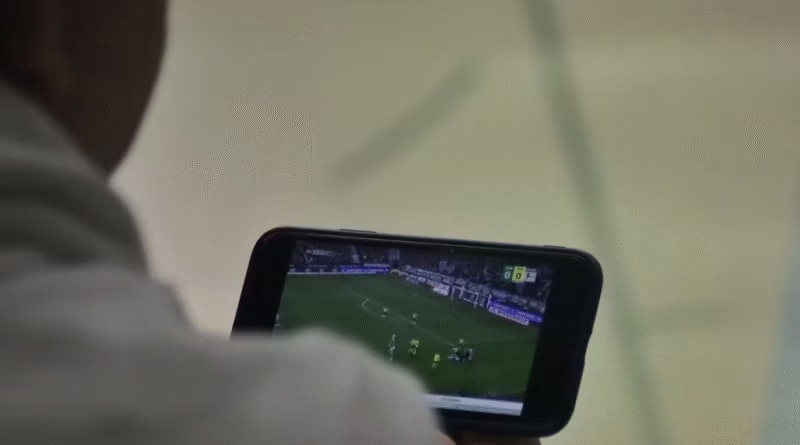
Mobile technology has become one of the biggest influences on how fans follow football.
A supporter can now check team news before kickoff, receive live updates during a match, and follow important moments without needing to be at the stadium or near a television.
This accessibility has changed matchday routines. Fans who are travelling, working, or away from home can still stay connected with their favourite teams through their phones.
A quick notification about a goal, substitution, or injury can keep someone involved even when they can’t watch the entire game.
Modern sports platforms have also become more integrated, bringing multiple features together within a single experience.
The best sports betting app will usually combine access to live markets, match updates, statistics, and account tools, allowing eligible users to follow events more conveniently while keeping up with the action.
The growth of mobile technology has made football feel more immediate. Supporters no longer have to wait for scheduled broadcasts or post-match coverage to understand what happened, as important moments reach them almost instantly.
It’s also changed expectations, with fans now looking for faster access to information and smoother ways to stay involved throughout a match.
Social Media Has Created a Global Football Community
Social media has changed the relationship between football clubs and their supporters.
Teams can now communicate directly with fans through official accounts, sharing training clips, interviews, and behind-the-scenes content that was previously unavailable.
Players have also become more accessible. Supporters can see reactions after matches, follow personal updates, and gain a closer view of the personalities behind the performances on the pitch.
This has helped create stronger connections between fans and their favourite players.
Football discussions have also expanded beyond traditional spaces. Supporters from different countries can analyse tactics, debate decisions, and celebrate important moments together, even when they’re thousands of miles apart.
The speed of social media can sometimes create intense reactions, especially after disappointing results.
Still, it’s become an important part of modern football culture because it allows fans to participate in conversations rather than simply watch from the sidelines.
Data Is Changing the Way Fans Understand Football
Statistics have become a much bigger part of football conversations.
Fans now have access to information that was once used mainly by coaches and analysts, including player trends, team performance metrics, and tactical breakdowns.
This has changed how supporters evaluate matches. A team’s result only tells part of the story.
Fans can now look more deeply into chances created, defensive actions, possession patterns, and individual performances to understand why a game unfolded the way it did.
For instance, supporters following major tournaments like the World Cup use World Cup stats and predictions alongside team news, player performances, and tactical information to better understand what may happen before a match begins.
Data doesn’t remove the unpredictability that makes football special. A single mistake, a moment of brilliance, or an unexpected tactical decision can still decide a match.
Instead, statistics provide another way for fans to appreciate the details behind the result.
Streaming Has Changed the Way Fans Watch Matches
Streaming has completely changed how supporters access football. Fans are no longer restricted to traditional television schedules, especially when following leagues or competitions played in different countries and time zones.
A supporter far from Europe’s shores can now watch a European league match, follow international tournaments, and access highlights from several competitions via digital platforms. This has helped football become even more global.
Streaming has also introduced more flexibility. Fans can watch live matches, revisit key moments, and follow different competitions without relying on a single broadcast channel.
This has made it easier for supporters to follow multiple teams, leagues, and players.
The change has been especially important for younger audiences who are used to accessing entertainment through digital platforms.
Football has adapted to those habits by becoming easier to access whenever and wherever fans want to watch.
Technology Is Creating More Interactive Matchdays
Technology has added new layers to matchday beyond simply watching the game.
Fantasy football, digital communities, and interactive features allow supporters to engage with matches in ways that were less common in previous generations.
Fantasy competitions have encouraged fans to follow individual players as closely as teams.
A supporter may pay extra attention to a defender’s clean sheet, a midfielder’s assists, or a striker’s goal contributions while watching a match.
Interactive broadcasts and live features have also changed how fans consume football.
Supporters can follow statistics, participate in discussions, and access additional information while the match is still taking place.
These developments show how football has become more than a ninety-minute event.
Technology has expanded the experience around the game, giving supporters more ways to stay involved before, during, and after matches.
The Future of the Football Fan Experience
Technology will continue to influence how supporters experience football. New tools will likely create even more personalised ways to follow clubs, analyse performances, and connect with other fans around the world.
At the same time, it will make the sport easier to access for different audiences.
Still, the heart of football remains unchanged. The excitement of a goal, the tension of a close match, and the connection between supporters and their clubs are what keep people coming back.
Technology has simply created more ways for fans to experience those moments, share them with others, and remain connected to the sport they love.


